Navigating Life After Service: The Importance of Veteran Support Programs
Transitioning from military life to civilian life is a significant journey for veterans, and it comes with its own unique set of challenges. While many think of this transition as merely changing jobs, it often means moving away from a structured environment where camaraderie, purpose, and identity are deeply intertwined with daily activities. Today, as awareness grows around the importance of supporting veterans, it’s crucial to understand why comprehensive transition programs matter now more than ever.
The Unique Challenges Veterans Face
For veterans, leaving the military can feel like stepping off a cliff without a parachute. Many service members have dedicated years to their missions, and when they leave, they often grapple with a profound sense of loss. This situation can be exacerbated by the following challenges:
- Loss of Community: The bonds formed during service are often unmatched. Many veterans find themselves feeling isolated once they return to civilian life.
- Struggles with Identity: Military roles often define service members; without that structure, veterans may struggle to rediscover who they are.
- Employment Transition: Securing a job in the civilian sector poses difficulties; skills gained in the military don’t always translate directly to the job market.
The Role of Transition Programs
Veteran support initiatives, such as the Patriot Pipeline, aim to bridge the gap between military and civilian life. Here’s how these programs are equipped to help veterans:
Comprehensive Services
These programs often provide various services that include:
- Career Counseling: Offering personalized guidance to help veterans understand their skills and how they can apply them in the job market.
- Networking Opportunities: Facilitating connections with other veterans and potential employers can provide valuable support and job leads.
- Emotional Support: Programs frequently include mental health resources, recognizing the psychological impact of the transition process.
Why Now is the Time to Support Veterans
In light of recent developments, including increased awareness around mental health issues and the need for community support, the importance of these transition programs is more apparent than ever. With more veterans returning home, the demand for effective programs has surged:
Understanding the Current Landscape
As the military continues to adapt to modern challenges, many veterans face uncertainty about their futures:
- High Unemployment Rates: Recent studies show veterans often face higher unemployment rates compared to their civilian counterparts.
- Increased Mental Health Awareness: Many veterans are wrestling with mental health challenges stemming from combat experiences.
- Community Engagement: The rising call for community involvement means we all have a role in supporting transitioning veterans.
How You Can Make a Difference
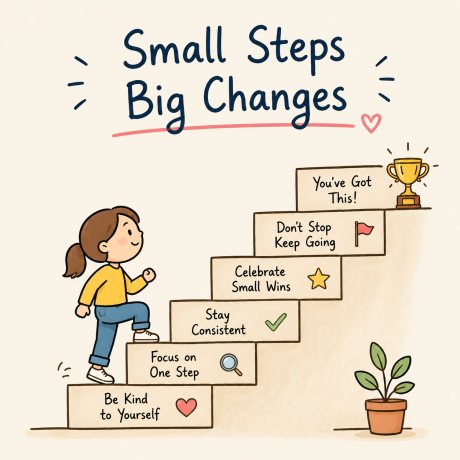
Supporting veterans doesn’t always require grand gestures; even small actions can lead to substantial changes in their lives. Here are some ways you can help:
- Volunteer with Local Organizations: Many non-profits focus on veteran support.
- Mentorship Programs: Share your experiences and help veterans navigate the job search process.
- Spread Awareness: Use your platforms to talk about veteran issues, and encourage others to get involved.
Conclusion
The journey from military to civilian life is fraught with challenges that go beyond just finding a job. As veterans strive to reclaim their identities and find their place in society, comprehensive support programs become vital. By investing in such initiatives, we not only help veterans transition smoothly but also enrich our communities as a whole. As we move forward, let’s remember the commitment these heroes made to our country and ensure that we support them in their next chapter.